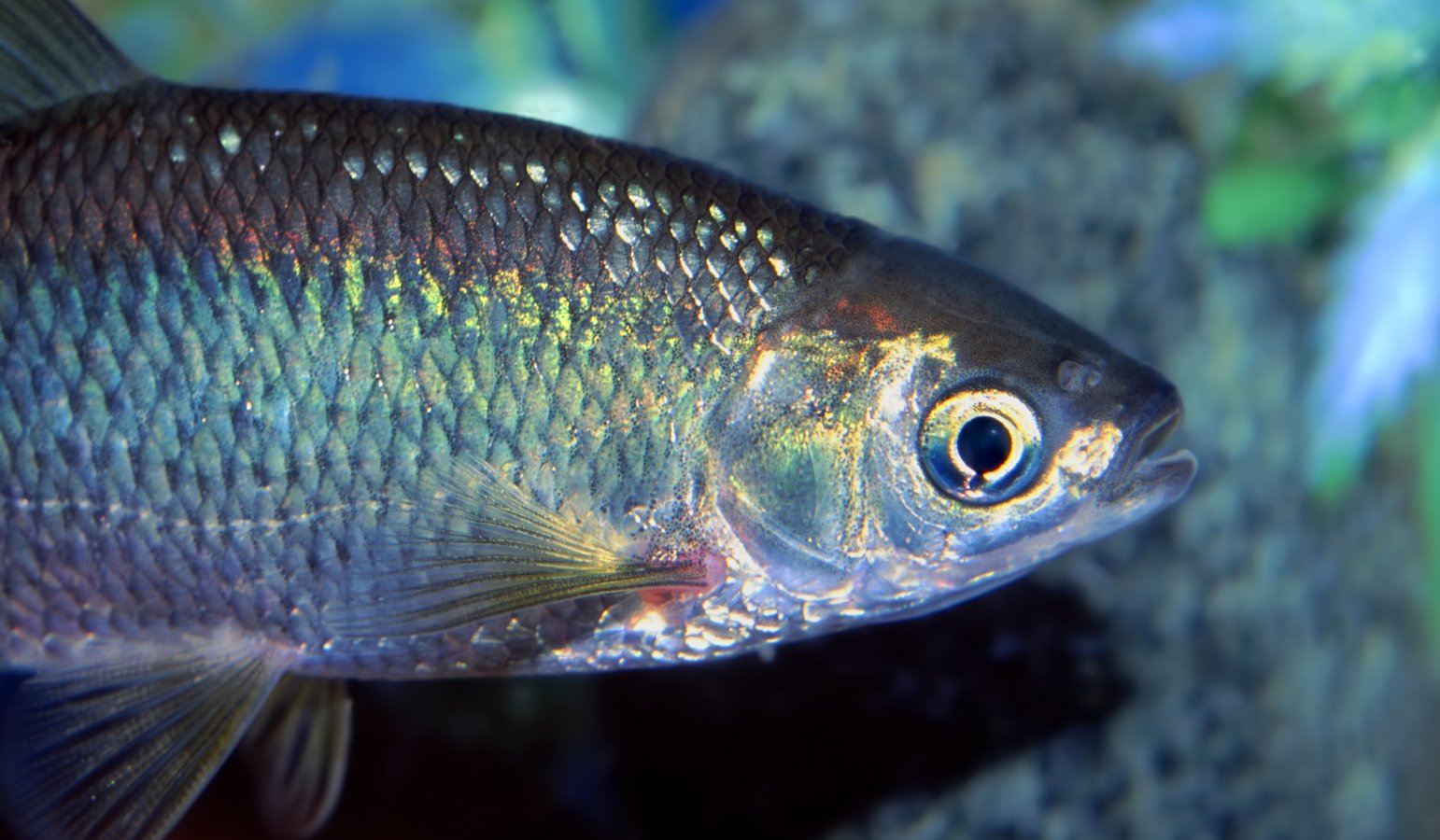
A healthy Texas pond starts with a strong food web. While largemouth bass and other gamefish may get most of the attention, smaller forage fish play an essential role in supporting fish growth, reproduction, and the overall balance of your pond or lake.
At the base of the pond food web is phytoplankton, microscopic algae that supports zooplankton. These tiny organisms provide food for small fish and juvenile gamefish, which are then consumed by larger predators. Maintaining this natural food chain is an important part of successful Texas pond management and creating a productive recreational fishery.
Why Forage Fish Matter in Texas Ponds
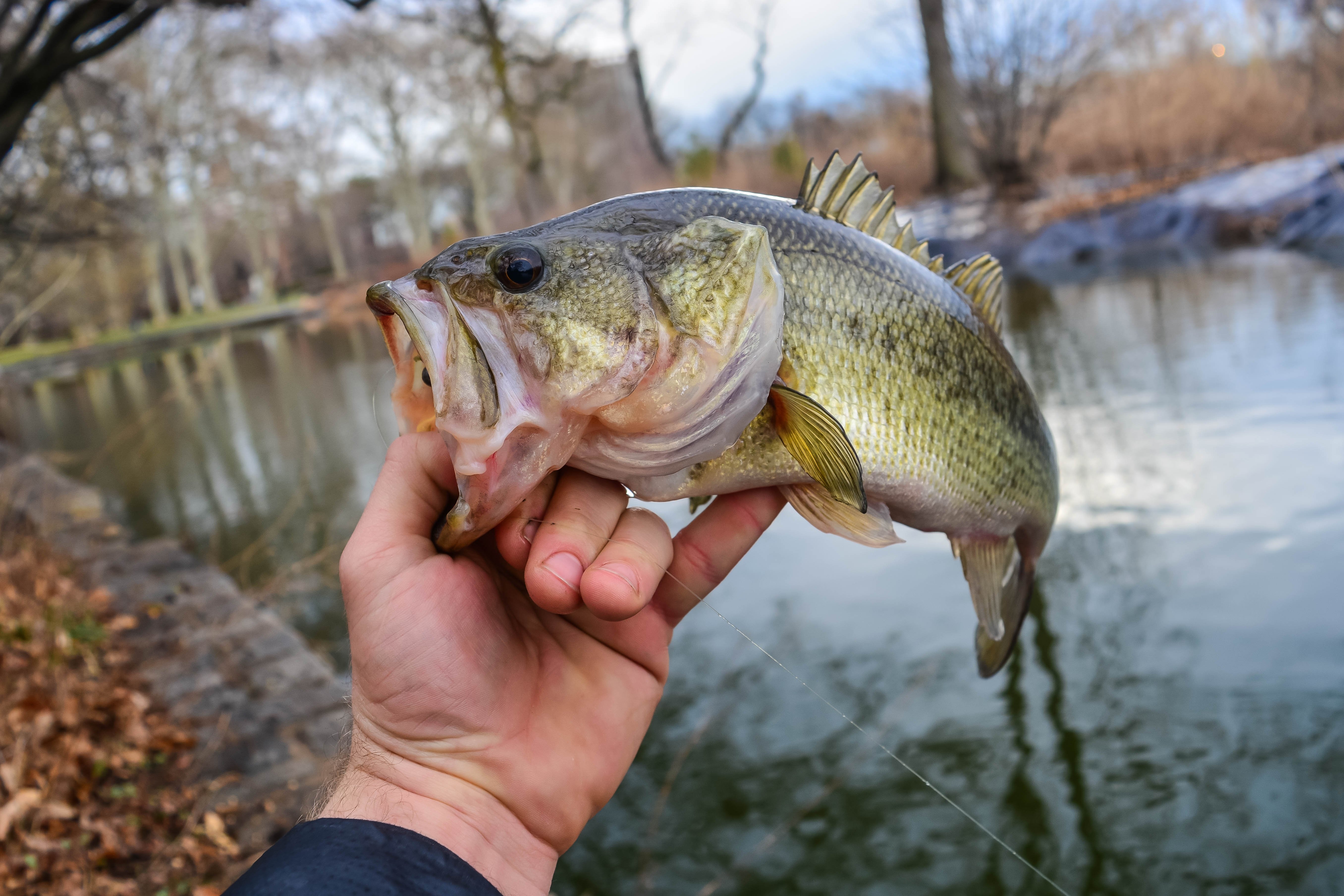
Largemouth bass are aggressive predators that consume other fish throughout much of their lives. As bass grow, they need access to appropriately sized prey to continue gaining weight efficiently. In Texas ponds, bluegill are one of the most important forage species for largemouth bass and are commonly stocked as the foundation of a bass-bluegill fishery.
When there are too many predators and not enough forage, bass may struggle to find sufficient food. Over time, this can contribute to slower growth and an unbalanced fish population. Maintaining the right predator-to-prey balance is therefore an important part of largemouth bass pond management in Texas.
Building a Strong Forage Base
Depending on your pond's existing fish population and management goals, forage species may include bluegill sunfish, fathead minnows, and other appropriate forage fish.
Fathead minnows provide an easy-to-capture food source for bass and other predators and can be particularly beneficial when establishing a new fishery. Johnson Lake Management also recommends supplemental fathead minnow stockings as part of certain fisheries management strategies.
Bluegill provide a longer-term forage base because of their ability to reproduce and supply multiple sizes of prey. Texas A&M recommends approximately a 10:1 bluegill-to-largemouth-bass stocking ratio when establishing traditional bass-bluegill ponds. Exact recommendations, however, should depend on pond size, location, water quality, existing fish populations, and management goals.
When Should You Stock Forage Fish?
Timing can make a significant difference when stocking a pond in Texas. For new or renovated ponds, establishing forage fish before introducing largemouth bass gives prey species time to grow and reproduce. Texas A&M guidance recommends stocking fingerling bluegill and other appropriate forage species in the fall before adding largemouth bass the following spring.
Supplemental forage stocking in an established pond should be based on the current fish population rather than a one-size-fits-all schedule. Fisheries assessments can help determine whether your pond has enough forage to support its existing predators.
Grow Healthier Bass with Better Pond Management
If your goal is to grow larger largemouth bass and create better fishing opportunities, simply adding more predators is rarely the answer. A productive Texas bass pond depends on adequate forage, appropriate harvest, suitable habitat, good water quality, and ongoing fisheries management.
Johnson Lake Management can evaluate your pond or lake and develop a customized Texas fish stocking and pond management plan based on your goals. Whether you're establishing a new fishery or improving an existing bass population, building the right forage base can help create healthier fish and better fishing for years to come.
Contact Johnson Lake Management to learn more about fish stocking and fisheries management for ponds and lakes throughout Texas.
About Johnson Lake Management — A Jones Lake Management Partner
Johnson Lake Management provides comprehensive, science-based lake and pond management services across Texas. Based in San Marcos, TX, we deliver sustainable solutions to improve water quality, control aquatic vegetation and algae, and maintain healthy, attractive waterbodies. As a Jones Lake Management Partner, we offer services including water quality monitoring, aeration systems, fisheries management and fish stocking, invasive species control, shoreline stabilization and restoration, sediment management and hydraulic dredging, wetland management, and habitat enhancement. We serve HOAs, municipalities, golf courses, commercial properties, and private lake owners with customized, results-driven programs designed for long-term ecological health. Visit us at www.johnsonlakemgt.com
Topics
Science-driven solutions for Texas lakes and ponds. Discover how our fisheries biologists can take your pond to the next level.