.jpeg?width=1600&height=900&name=FBJFJY%20(6).jpeg)
As summer heat begins to fade across Texas, pond and lake owners often turn their attention to seasonal maintenance, vegetation management, and water quality. But fall is also an important time to evaluate one of the foundations of a healthy fishery: your forage fish population.
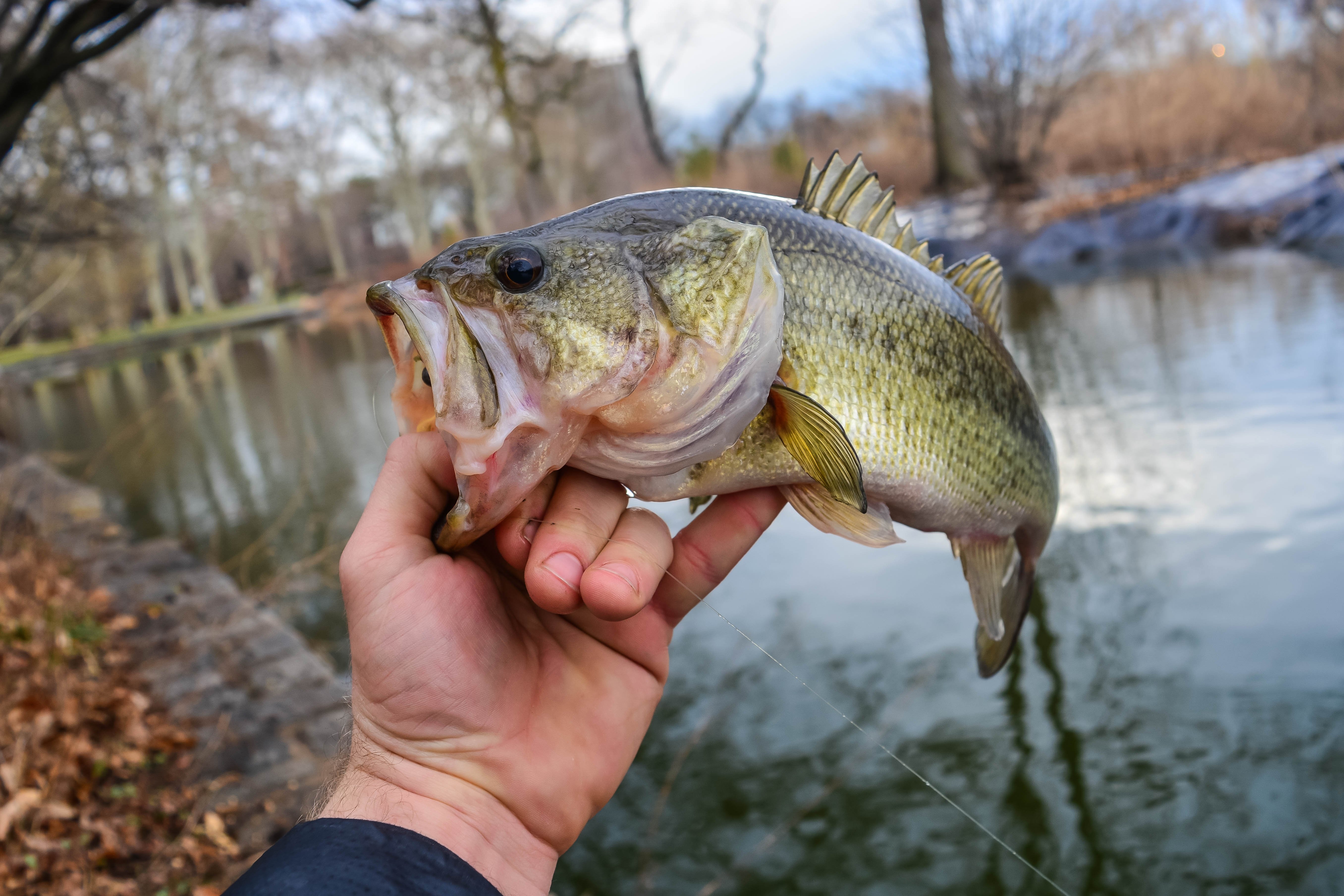
A productive Texas fishing pond depends on more than simply stocking largemouth bass or other gamefish. Predator fish need an abundant, sustainable food source to maintain healthy growth and body condition. Supplemental fish stocking for Texas ponds can strengthen the forage base and help position your lake or pond for a more productive spring.
Why Consider Fall Fish Stocking in Texas?
Texas ponds face unique challenges, from prolonged summer heat and fluctuating water levels to regional differences in climate and habitat. Because conditions vary considerably across the state, the best fish stocking schedule should be based on your pond's water temperature, existing fish population, habitat, and management goals.
As temperatures moderate in the fall, pond owners have an opportunity to assess their forage base and determine whether supplemental stocking could improve the fishery.
Establishing or strengthening forage populations before the next major growing and spawning season can give predator species access to the food resources they need when activity increases.
For Texas landowners interested in bass pond management, trophy fisheries, or simply better recreational fishing, maintaining the right predator-to-prey balance is essential.
Why Forage Fish Matter in a Texas Pond
A healthy forage base drives the entire pond food chain. When forage becomes scarce, largemouth bass and other predators must compete for limited food. Over time, insufficient forage can contribute to poor body condition and slow growth.
Strategic forage fish stocking can help support:
Better Predator-Prey Balance: Maintaining adequate prey helps keep predator populations supported and reduces pressure on limited food resources.
Improved Bass Growth: An abundant food supply gives largemouth bass greater opportunities to consume the calories needed for healthy growth.
Stronger Fish Populations: A balanced food chain supports the long-term productivity of the entire fishery rather than focusing on a single species.
Better Spring Fishing: Building a healthy forage population before spring can help your pond enter the new growing season with a stronger ecological foundation.
Popular Forage Fish for Texas Ponds
There is no universal stocking formula for every Texas pond. The right species and stocking rates depend on factors such as pond acreage, predator density, available habitat, water quality, and your fishing goals.
However, several species commonly play an important role in Texas pond and lake management.
Bluegill
Bluegill are one of the most important forage species for largemouth bass ponds. Their reproductive potential helps provide a continuing food source for predators, making bluegill stocking in Texas ponds an important consideration for many bass-focused fisheries.
Coppernose Bluegill
Coppernose bluegill are another popular option for managed ponds in suitable areas. They can provide valuable forage while also offering recreational fishing opportunities of their own.
Fathead Minnows
Fathead minnows can provide readily available forage, particularly when establishing certain new fisheries. Whether they are appropriate for an existing pond depends on the predator population and overall management strategy.
Additional Forage Species
Depending on your location, pond conditions, and management objectives, other forage species may also have a role. Choosing fish simply because they are available isn't the best approach. Species selection should be part of a broader Texas fisheries management plan.
Don't Stock Fish Without Evaluating Your Pond
More fish don't automatically mean better fishing.
Before adding forage or gamefish, it's important to understand what is already happening beneath the surface. A pond with too many predators may require a very different strategy than one with inadequate habitat, poor water quality, or an unbalanced size structure.
Professional pond evaluation can help answer questions such as:
- Does my pond have enough forage for its bass population?
- Which forage fish should I stock?
- How many fish should I stock per acre?
- Should I stock forage fish, gamefish, or both?
- Does my pond have enough spawning and nursery habitat?
- Are water quality or vegetation problems limiting my fishery?
Answering these questions first helps turn pond fish stocking into a long-term management strategy rather than a short-term fix.
Habitat and Water Quality Matter, Too
Even a well-designed stocking program can underperform when fish don't have suitable habitat.
Juvenile forage fish need areas where they can feed, reproduce, and escape predators. Gamefish also depend on productive habitat for feeding and spawning. Water quality, aquatic vegetation, structure, depth, and available cover can all influence how well stocked fish perform.
That's why effective Texas pond management should consider the entire ecosystem.
Combining fish stocking with habitat improvements, aquatic vegetation management, water-quality monitoring, and ongoing fisheries assessments can create a healthier and more sustainable pond over time.
Professional Fish Stocking in Texas
Every Texas pond is different. A ranch pond in North Texas may experience very different conditions from a lake in Central, East, or South Texas. Stocking recommendations should account for those regional differences as well as the unique characteristics of the waterbody.
Johnson Lake Management can help Texas pond and lake owners develop a customized fisheries management strategy based on their property, existing fish populations, habitat, and long-term goals.
Rather than relying on a one-size-fits-all stocking recommendation, a professional assessment can determine which species, quantities, and management practices make sense for your specific pond.
Prepare Your Texas Pond for Spring
A thriving spring fishery starts well before the first warm days of the year.
Fall is an excellent time to evaluate your pond's forage base, fish population, habitat, and overall management strategy. Taking action now can help establish the foundation for healthier gamefish, improved predator-prey balance, and better fishing in the seasons ahead.
If you're considering fish stocking for a Texas pond or lake, contact Johnson Lake Management to discuss your goals. Our team can help develop a customized pond and fisheries management plan designed around your waterbody and the Texas environment.
About Johnson Lake Management — A Jones Lake Management Partner
Johnson Lake Management provides comprehensive, science-based lake and pond management services across Texas. Based in San Marcos, TX, we deliver sustainable solutions to improve water quality, control aquatic vegetation and algae, and maintain healthy, attractive waterbodies. As a Jones Lake Management Partner, we offer services including water quality monitoring, aeration systems, fisheries management and fish stocking, invasive species control, shoreline stabilization and restoration, sediment management and hydraulic dredging, wetland management, and habitat enhancement. We serve HOAs, municipalities, golf courses, commercial properties, and private lake owners with customized, results-driven programs designed for long-term ecological health. Visit us at www.johnsonlakemgt.com
Topics
Science-driven solutions for Texas lakes and ponds. Discover how our fisheries biologists can take your pond to the next level.